Every ballroom dancer knows that the right dress isn’t just about style—it’s a vital part of the performance. A perfectly chosen gown can highlight movement, enhance expression, and even boost confidence on the dance floor. But with so many dance styles, each with unique rhythms and techniques, how do dancers find the perfect dress for each one?
Let’s explore how ballroom dancers choose their ideal dress to match the energy and personality of every style.
1. Understanding the Dance Style
The first step for any ballroom dancer is to understand the nature of the dance. Ballroom styles fall into two main categories:
• Standard (or Smooth) dances like Waltz, Foxtrot, Tango, Viennese Waltz, and Quickstep.
• Latin (or Rhythm) dances like Cha-Cha, Rumba, Samba, Paso Doble, and Jive.
Each category demands different movement freedom, aesthetics, and fabric flow — all influencing dress design.
2. Dresses for Standard & Smooth Dances
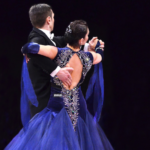
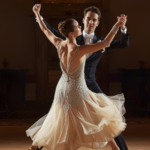
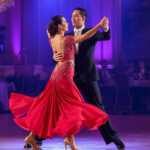
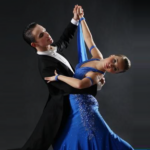
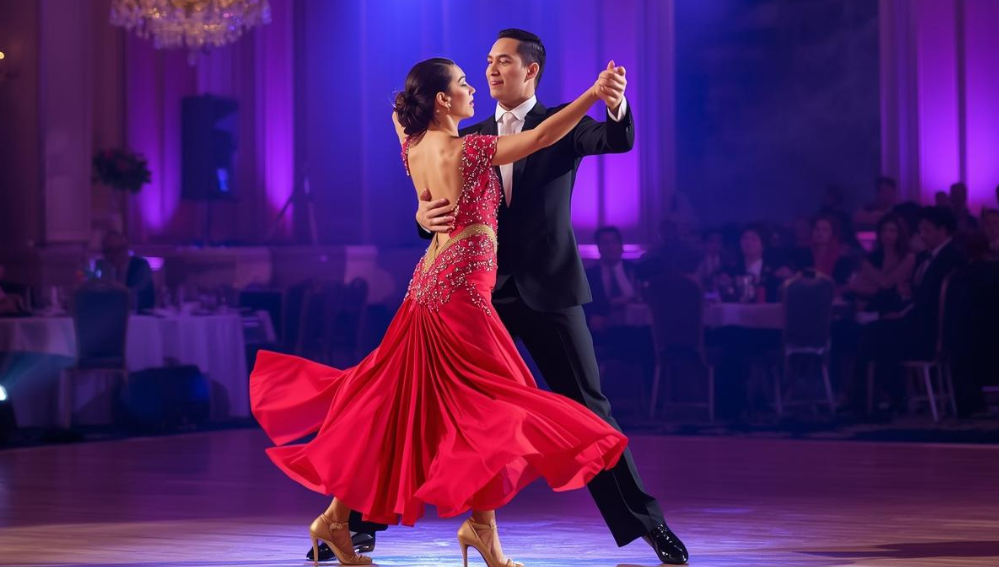
For Standard or Smooth dances, elegance and flow are key. These dances involve sweeping turns, graceful arm extensions, and close holds, so dresses must move beautifully without restricting motion.
Key Features:
• Full Skirts: Flowing layers of chiffon or satin that swirl gracefully with every step.
• Long Sleeves or Floats: Add visual motion and enhance arm lines during spins.
• Sophisticated Colors: Deep blues, whites, or jewel tones create an aura of refinement.
• Crystals & Embellishments: Highlight the dancer’s frame under ballroom lights, adding sparkle without distraction.
Example: A ballroom dancer performing a Waltz might choose an ombre gown with soft fabric layers that create a dreamy, floating illusion.
3. Dresses for Latin & Rhythm Dances
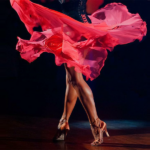
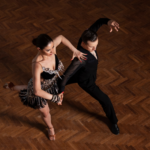
Latin and Rhythm dances are fiery, rhythmic, and expressive. These styles emphasize sharp movements, hip action, and individuality — so the dresses are designed to complement that energy.
Key Features:
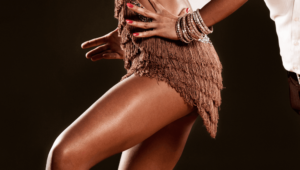
• Shorter Hemlines: Allow freedom for leg movement and highlight precise footwork.
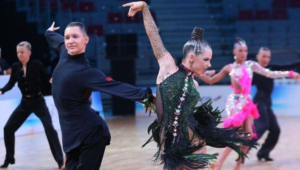
• Fringe & Feathers: Add drama and rhythm, accentuating each twist and turn.
• Bold Colors: Red, gold, and neon shades amplify the passionate mood of dances like Samba or Cha-Cha.
• Open Backs & Cutouts: Create visual flair and flexibility for dynamic movements.
Example: A ballroom dancer performing a Cha-Cha might choose a sparkling red fringe dress that mirrors the rhythm of the music with every sway.
4. Comfort and Fit Come First
No matter how glamorous a dress looks, comfort is essential. Dancers often spend hours rehearsing and competing, so a perfect fit ensures both elegance and endurance.
Professional dancers work closely with designers to customize each piece—adjusting sleeve length, stretch fabrics, and neckline shapes—to move seamlessly with their choreography.
5. Personality and Storytelling
Every dance tells a story, and the costume should reflect that. A ballroom dancer performing a passionate Tango may prefer deep red tones and dramatic designs, while a Waltz performer might opt for soft pastel hues and delicate crystals to convey romance and grace.
6. Accessories and Finishing Touches
The look isn’t complete without the right accessories:
• Matching jewelry for sparkle
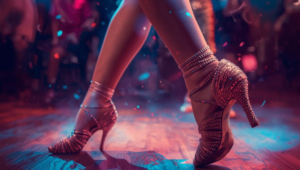
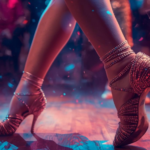
• Dance shoes coordinated with the dress color
• Hair and makeup styled to enhance facial expressions on stage
These finishing details help a dancer shine under the spotlight.
Final Thoughts
For every ballroom dancer, the perfect dress is where art meets precision. It’s more than just fabric—it’s an extension of their emotion, rhythm, and artistry. The right gown transforms not only their look but also their performance, helping them glide across the floor with confidence and grace.